
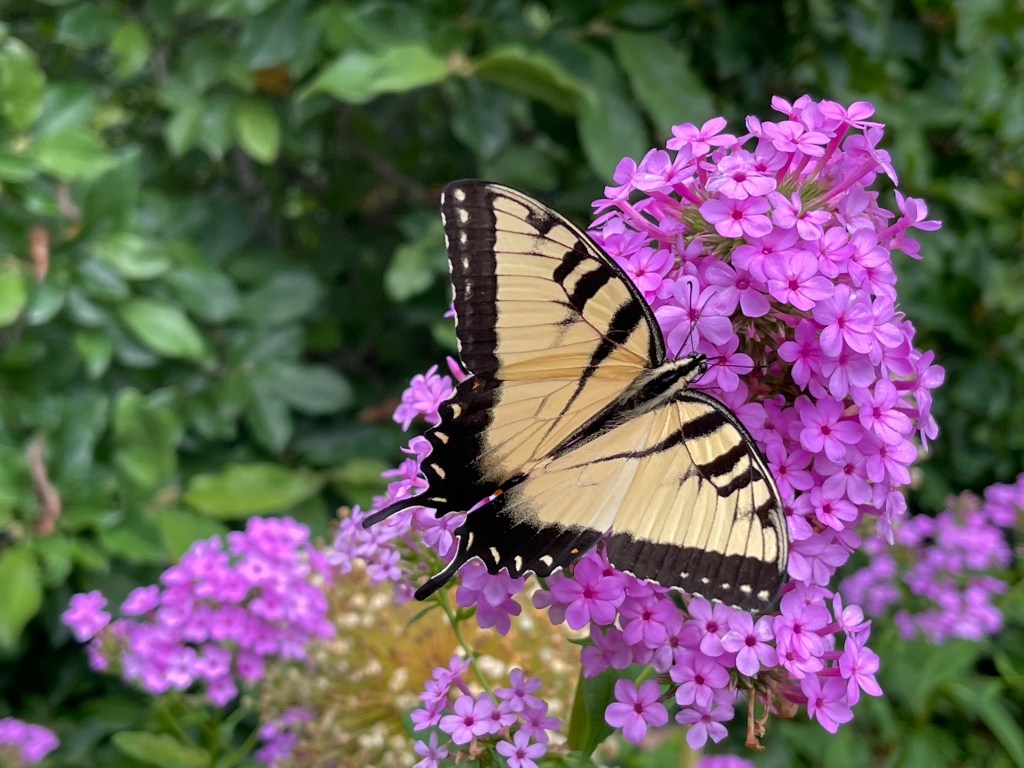
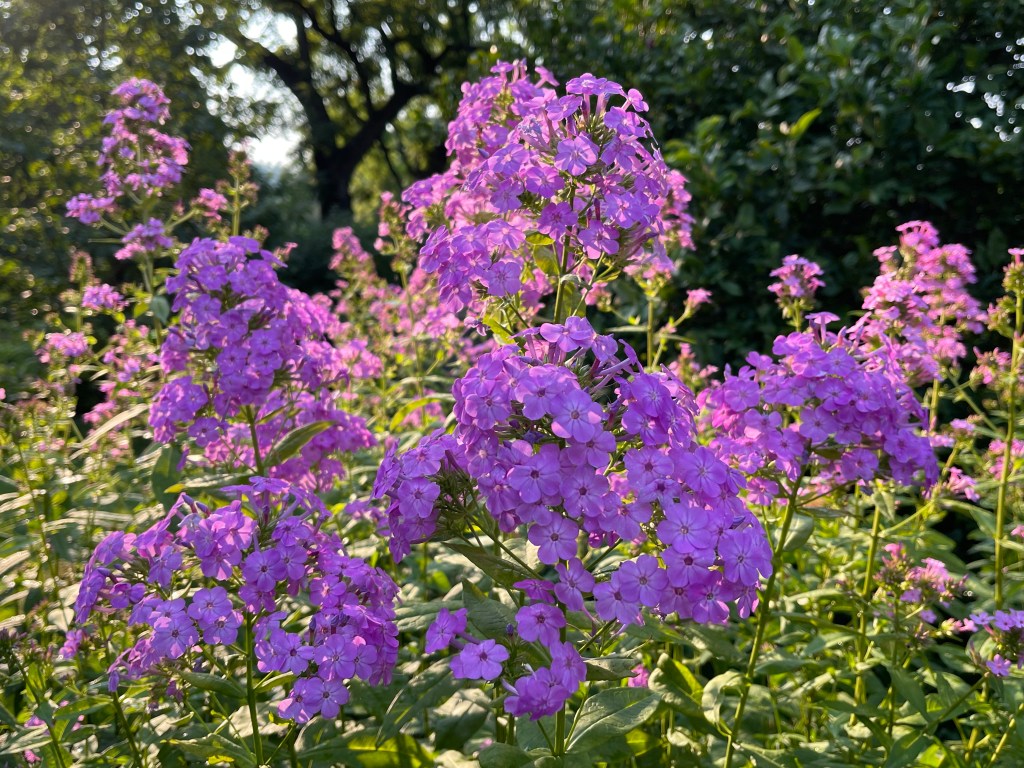
Photos of Phlox ‘Jeana’ thanks to Chanticleer Gardens, Chris Fehlhaber.
2024 Perennial Plant of the Year®
‘Jeana’ is an exceptional garden phlox renowned for its impressive flower show, tall sturdy habit, and pollinator-friendliness. Dense, domed trusses crown stiff stems from midsummer to early fall. Individually, the fragrant lavender-pink flowers are significantly smaller than typical garden phlox — only about half an inch wide — but the show at peak is eye-popping, nonetheless. This is a case where bigger is not better, from a pollinator’s perspective anyhow. In trials at Mt. Cuba Center in Delaware, the nectar-rich flowers of ‘Jeana’ attracted more butterflies — Eastern Tiger Swallowtails were especially plentiful — than any other garden phlox in their study. Hummingbirds and other pollinators are fans too.
Topped with flowers, ‘Jeana’ can reach five feet tall and four feet wide, although size will vary geographically. Its bright green leaves are highly resistant to powdery mildew, so ‘Jeana’ has a striking summer look with or without flowers.
Tall garden phlox provide structure and color in summer gardens and are good bridging plants between early and later flowering perennials. ‘Jeana’ is at home in traditional borders and meadows and is a natural in pollinator gardens. Mix ‘Jeana’ with other tall perennials such as bluestars (Amsonia), Shasta daisies (Leucanthemum ×superbum), and switch grasses (Panicum virgatum). Or let its handsome foliage be the backdrop for shorter companions such as coneflowers (Echinacea), alliums (Allium), and woodland sages (Salvia nemorosa).

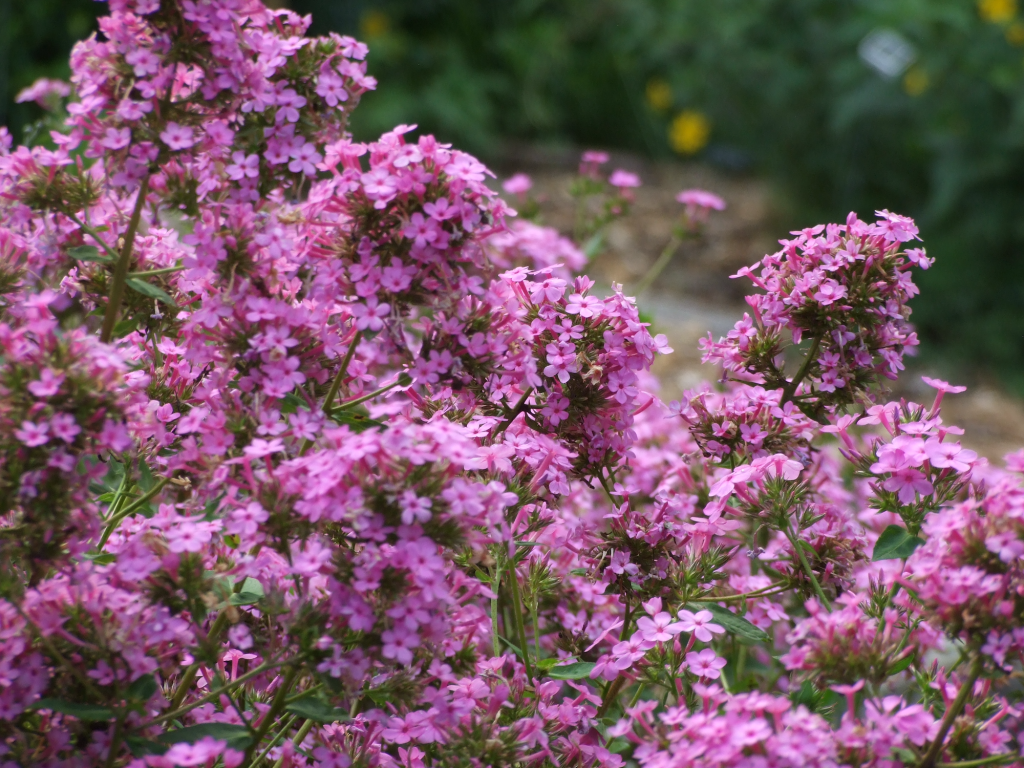
Photos of Phlox paniculata ‘Jeana’ thanks to Saunders Brothers.
PLANT DATA
Hardiness
USDA Zones 3 to 8
Canadian Hardiness Zones 3 to 8
AHS Heat Zones 4 to 9
Light
Full sun; afternoon shade in hot climates
Size
36-60 inches tall
36-48 inches wide
Origin
‘Jeana’ was discovered growing along the Harpeth River near Nashville, Tennessee and was named for its discoverer, Jeana Prewitt.
Soil
Moist, fertile, well-drained soils. Avoid dry conditions.
Maintenance
Divide clumps every 3-5 years in spring. Deadheading promotes continued bloom and prevents self-seeding, which can produce inferior seedlings. Powdery mildew and spider mites may be foliar problems in hot or dry conditions. Thinning out stems to improve air circulation may guard against mildew. Deer and rabbits can be pests.
 Perennial Plant of the Year®